
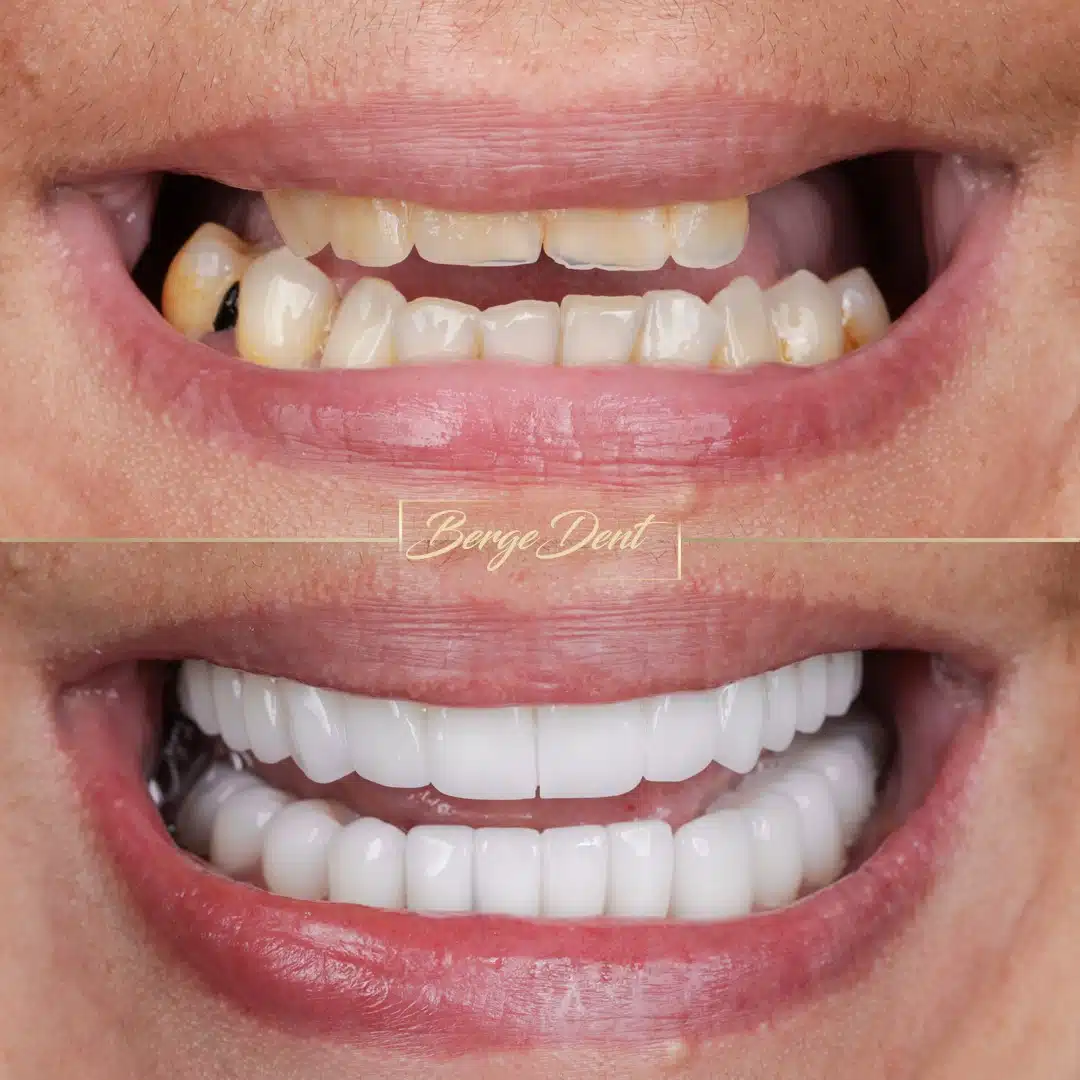
Looking in the mirror and wishing your teeth were a shade or two brighter? Or maybe you've noticed someone's noticeably white smile and wondered how they got there? Teeth whitening is one of the most common cosmetic questions patients bring up in the dental chair. But between what you see on social media and what your dentist actually tells you in the office, it's easy to end up confused. How many shades can teeth realistically whiten? Does it cause sensitivity? How long do results last? Are over-the-counter kits safe? Below, we've answered the questions we hear most often in practice — how the process works, the real risks, and what to realistically expect.
Quick Summary (Fast Answers)
- How it works: Whitening agents (peroxide) penetrate the tooth and break down pigment molecules through oxidation, gradually lightening the tooth's shade.
- Two main methods: Fast, in-office (professional) whitening, or gradual at-home whitening with custom trays under a dentist's supervision.
- Sensitivity is common: But in most cases it's temporary and resolves on its own within a few days.
- Results aren't permanent: Don't expect your teeth to stay bright forever. Food, drinks, and smoking will gradually cause staining to return — though teeth usually stay lighter than their original shade.
- Fillings and crowns don't whiten: These materials don't respond to peroxide because the gel can't penetrate them.
- DIY methods (charcoal, baking soda) carry risks: They can erode enamel, produce minimal or misleading results, and cause damage that isn't reversible.
How does teeth whitening actually work?
Whitening comes down to chemistry. Beneath your tooth's outer enamel layer sits a layer called dentin. Over time, pigmented compounds build up in these layers — from coffee and tea, aging, or genetics. Whitening agents (usually hydrogen peroxide or carbamide peroxide) penetrate the tooth structure and break down these pigments through oxidation, leaving a lighter shade behind.
Some practices use LED lights or lasers to supposedly speed up the process, but dentists are divided on how much these actually add. What matters most is a controlled, consistent protocol — not the extra equipment.
How much lighter your teeth get depends on the concentration of the gel, how long it stays on the teeth, and your natural tooth structure. The key is a gradual, step-by-step approach rather than overloading the teeth with too much peroxide at once.
Should I get it done at the office or at home?
You have two options, and each has its place.
In-office whitening: Your dentist performs the treatment at the practice using a stronger, professional-grade gel, so results come faster — sometimes a noticeable difference after a single visit, sometimes after a few sessions. Your dentist applies a protective barrier over your gums first, so exposure to the chemical is carefully controlled. If you want quicker results, this is generally the better option.
At-home whitening under professional supervision: Your dentist takes impressions and makes you custom-fitted trays, then gives you a lower-concentration gel to use for a set time each day at home. Results take longer to appear — sometimes a few weeks — but the process is gradual and easier to control. If you're not in a hurry and prefer a slow, steady approach, this method may suit you better.
Which is better? It depends on your starting shade, how sensitive your teeth are, and how much time you have. Your dentist may also recommend a combination approach — an in-office session to jump-start results, followed by at-home trays for maintenance.
Is there a real risk of tooth sensitivity?
Yes, there is a risk — but it doesn't happen to everyone.
Why it happens: As peroxide gel penetrates the tooth structure, teeth can temporarily become more sensitive to cold, heat, and sweet foods. Higher gel concentrations and longer application times tend to increase this risk.
Ways to reduce it:
- Use a desensitizing gel or toothpaste before or after treatment, as recommended by your dentist.
- Keep sessions short and space them further apart.
- With at-home whitening, use less gel in each tray (following your dentist's instructions).
In most cases, sensitivity fades on its own within a few days. If it persists or worsens, contact your dentist — they may need to adjust your protocol.
How long do results actually last?
Be realistic: whitening results are not permanent.
After professional whitening, here's the typical pattern:
- The first few months usually show the brightest results.
- Discoloration gradually starts to return over time — but teeth generally stay noticeably lighter than their original shade.
- Coffee, tea, dark-colored foods, and smoking all speed up the return of staining.
How long exactly? It varies from person to person. Your eating and drinking habits, oral hygiene, smoking status, and natural tooth structure all affect how long results last. Brushing and flossing consistently, cutting back on staining foods and drinks, avoiding tobacco, and scheduling occasional touch-ups with your dentist can help results last longer.
Can pregnant or nursing women get their teeth whitened?
It's generally not recommended. Most dentists advise waiting until after pregnancy and breastfeeding are over.
During pregnancy: Hormonal changes are significant during this time, and since whitening is an elective cosmetic procedure rather than something medically necessary, caution is warranted. There isn't enough robust clinical data confirming that peroxide whitening agents are completely safe during pregnancy, so most dentists recommend waiting simply out of caution.
While breastfeeding: There's no definitive evidence on whether whitening gel components could pass into breast milk or affect an infant. When in doubt, the safer approach is to wait until breastfeeding has ended.
What you should do: Let your dentist know if you're pregnant, currently breastfeeding, or planning a pregnancy. They can help you decide on the right timing.
If I have fillings or crowns, will those whiten too?
No. Restorative materials don't change color with whitening gel.
Why not? Unlike natural tooth structure, fillings and crowns are made of materials peroxide can't penetrate, so their color stays the same even with surface contact. The result: your natural teeth lighten while existing fillings or crowns keep their original, now-darker shade — creating a visible mismatch.
What's the solution? Point out any existing fillings or crowns to your dentist before starting whitening. For front teeth, where appearance matters most, your dentist may recommend replacing these restorations after whitening so the shade matches your newly lightened teeth.
Do home remedies like activated charcoal or baking soda actually work?
These get a lot of attention on social media, but they're worth approaching with caution — there are real questions about how safe and effective they actually are.
Activated charcoal: It may remove some surface stains through mild abrasive scrubbing, but there's no solid scientific evidence that it whitens teeth beyond that. More importantly, charcoal is abrasive, and regular use can wear down enamel. Once enamel thins, the naturally yellow dentin underneath becomes more visible — the opposite of the intended effect.
Baking soda (sodium bicarbonate): Also mildly abrasive. It may help with surface stains but can't change the tooth's underlying color, and frequent use can damage enamel over time.
Acids like lemon juice and vinegar: The acid in these erodes enamel, weakening teeth rather than whitening them.
Better approach: Skip these DIY methods in favor of a professionally formulated at-home kit from your dentist, or in-office whitening. Your dentist can ensure the right concentration, proper technique, and monitoring for side effects.
Can everyone get their teeth whitened?
No. In some cases, whitening isn't recommended, or it may need to be postponed based on a clinical evaluation.
Situations where it may not be recommended:
- Children and teenagers: Younger teeth have a larger, more sensitive pulp chamber. Dentists generally recommend waiting until a certain age.
- Untreated cavities: Cavities need to be filled first — otherwise peroxide can reach the sensitive inner structures of the tooth.
- Active gum disease: Underlying oral health issues should be treated first. See gum disease for more.
- Significant enamel wear: Teeth with advanced enamel erosion carry a higher risk of sensitivity and damage.
- Certain types of deep discoloration: Some internal staining — such as that caused by tetracycline exposure during tooth development — tends to respond poorly to standard whitening.
Naturally darker teeth: People whose natural tooth color is gray or deeply yellow may see more modest whitening results than those who start with naturally lighter teeth.
What should I do about coffee, tea, and smoking after whitening?
Right after treatment, teeth are temporarily more prone to staining, so a "white diet" is generally recommended for the first few days.
Best to limit:
- Coffee and tea: High in tannins, which stain easily. If you do drink them, use a straw and rinse with water afterward.
- Red wine: Stains readily — best avoided for the first day or two.
- Tomato sauce and other dark sauces: Contain both pigment and acid, so be extra careful during this sensitive period.
- Smoking: Speeds up the return of staining considerably and shortens how long your results last.
Acidic drinks: Soda, sports drinks, and energy drinks can temporarily worsen sensitivity in the first few days — best to avoid them.
Brushing: Avoid brushing immediately after eating or drinking something pigmented or acidic, since softened enamel can be abraded more easily. Instead, rinse with water, wait a bit, then brush gently with a soft-bristle brush.
How many shades whiter can my teeth get?
A common question: "Can my teeth get as white as what I see on social media?" The honest answer is that every tooth has natural limits.
Natural color limits: Genetics largely determine your baseline tooth color. A naturally yellow or gray tooth can't be lightened to match someone whose teeth started out much lighter. Generally, the lighter your starting shade, the more dramatic the visible change.
Realistic expectations: During your consultation, your dentist will assess your starting shade using a shade guide and set a realistic target with you. Before-and-after photos can help you compare results objectively. Avoid chasing extreme whitening — overdoing it raises the risk of enamel damage and lasting sensitivity.
How often should I get touch-ups?
As results fade, many people wonder when it's time to re-whiten.
General approach:
- Results tend to hold well for the first few months, so early touch-ups usually aren't necessary.
- Once staining becomes noticeable again, your dentist may recommend an at-home touch-up (using a lower-strength gel and your existing trays).
- Some people prefer a single touch-up once a year; others do a few shorter sessions annually.
Risk of over-whitening: Repeated whitening sessions can lead to enamel wear and increasing sensitivity over time. Your dentist will monitor how your teeth are responding and recommend an appropriate interval.
Best way to protect results: Consistent brushing and flossing, limiting staining foods and drinks, and avoiding tobacco all help results last longer.
What if my tooth has deep internal discoloration?
Some teeth develop brown or gray staining from within the tooth itself. Standard whitening may have limited effect in these cases.
Common causes:
- Tetracycline exposure: Taking this antibiotic during childhood, while teeth are still developing, can cause deep intrinsic staining.
- Root canal–treated teeth: Can darken from the inside out.
- Age-related dentin darkening: The dentin layer naturally yellows or darkens over time.
- Staining around old fillings.
Solution options: Mild internal staining may respond somewhat to standard whitening. For more stubborn, deep discoloration, options like microabrasion, veneers, or composite bonding often work better. For a single darkened, root canal–treated tooth, internal (non-vital) bleaching may be an option. Your dentist can determine the best approach after an exam. For more on cosmetic options, see dental aesthetics: common myths.
Is an over-the-counter whitening kit from the internet good enough?
Store-bought kits purchased without a dentist's evaluation carry some real risks, so it's worth being cautious.
Potential problems:
- Unclear gel concentration: The labeled strength may not match what's actually in the product.
- Poorly fitting trays: One-size-fits-all trays can let gel leak onto your gums, causing irritation.
- No professional oversight: If a problem comes up, there's no dentist actively managing your treatment.
- Risk of enamel damage: High-strength gel or incorrect technique can cause lasting harm.
- Often disappointing results: Many products simply don't deliver on their claims.
Safer choice: A custom tray and gel formulated by your dentist gives you far better control. After examining your teeth, your dentist selects the right concentration and protocol for your specific situation.
Is teeth whitening the same as a professional cleaning?
No — both can improve how your teeth look, but they work in completely different ways.
Professional cleaning (scaling): Using ultrasonic instruments or hand tools, your dentist removes tartar (calculus), plaque, and surface stains from coffee, tea, or smoking. This uncovers your tooth's natural color underneath. Cleaning doesn't make teeth whiter than their natural shade, but teeth often look brighter afterward simply because the natural color is now visible.
Teeth whitening: Chemical agents oxidize pigments inside the tooth, lightening it beyond its natural baseline shade.
The usual order: Most dentists recommend a professional cleaning before whitening, since a clean tooth surface lets the whitening gel work more effectively.
If I don't want whitening, what other options do I have?
Whitening isn't the right fit for everyone. Other cosmetic options are available.
Veneers: Thin ceramic or composite shells bonded to the front of your teeth. Longer-lasting than whitening, but they require some tooth preparation and are not reversible.
Composite bonding: Tooth-colored composite material is applied directly to the front of the tooth. Generally more affordable than veneers, though it may need to be touched up or replaced over time.
Internal (non-vital) bleaching: An option for a single darkened tooth that has had root canal treatment.
Combination approach: Your dentist may combine whitening with other treatments depending on your goals and tooth structure. The right plan becomes clear after a thorough evaluation.
When should I contact my dentist?
Stop whitening and contact your dentist right away if you notice:
- Tooth pain or sensitivity that lasts more than a few days after treatment, or that gets worse.
- Blanching, burning, irritation, or bleeding of the gum tissue.
- Unexpected, blotchy, or uneven color changes after whitening.
- One tooth suddenly darkening on its own (a possible sign of internal discoloration).
- Cavities, cracks, or suspicious old fillings you notice for the first time during whitening.
These signs can point to an underlying dental issue unrelated to the whitening itself, so it's best to have them checked promptly.
Final Thoughts
Teeth whitening, done correctly, is an effective cosmetic treatment — but results vary from person to person. Your natural tooth structure, daily habits, how your teeth tolerate treatment, and realistic expectations all factor into the outcome. A thorough initial exam, choosing the right method, setting realistic goals, and following post-treatment care instructions are all part of getting a good result.
This guide is for general information only and doesn't replace personalized dental advice. For diagnosis and treatment planning, see your dentist. If you're considering whitening, schedule a consultation so your dentist can design the plan that's right for you.
Related Articles
This content is for general educational purposes and does not replace personalized dental advice. For diagnosis and treatment decisions, consult your dentist. This article has been reviewed by experienced dental professionals.